
Best Backpacking Quilts Under $200 (2026)
The 4 best backpacking quilts under $200 in 2026 — Hammock Gear, Paria, Big Agnes and Aegismax compared by weight, warmth and price.
In this guide
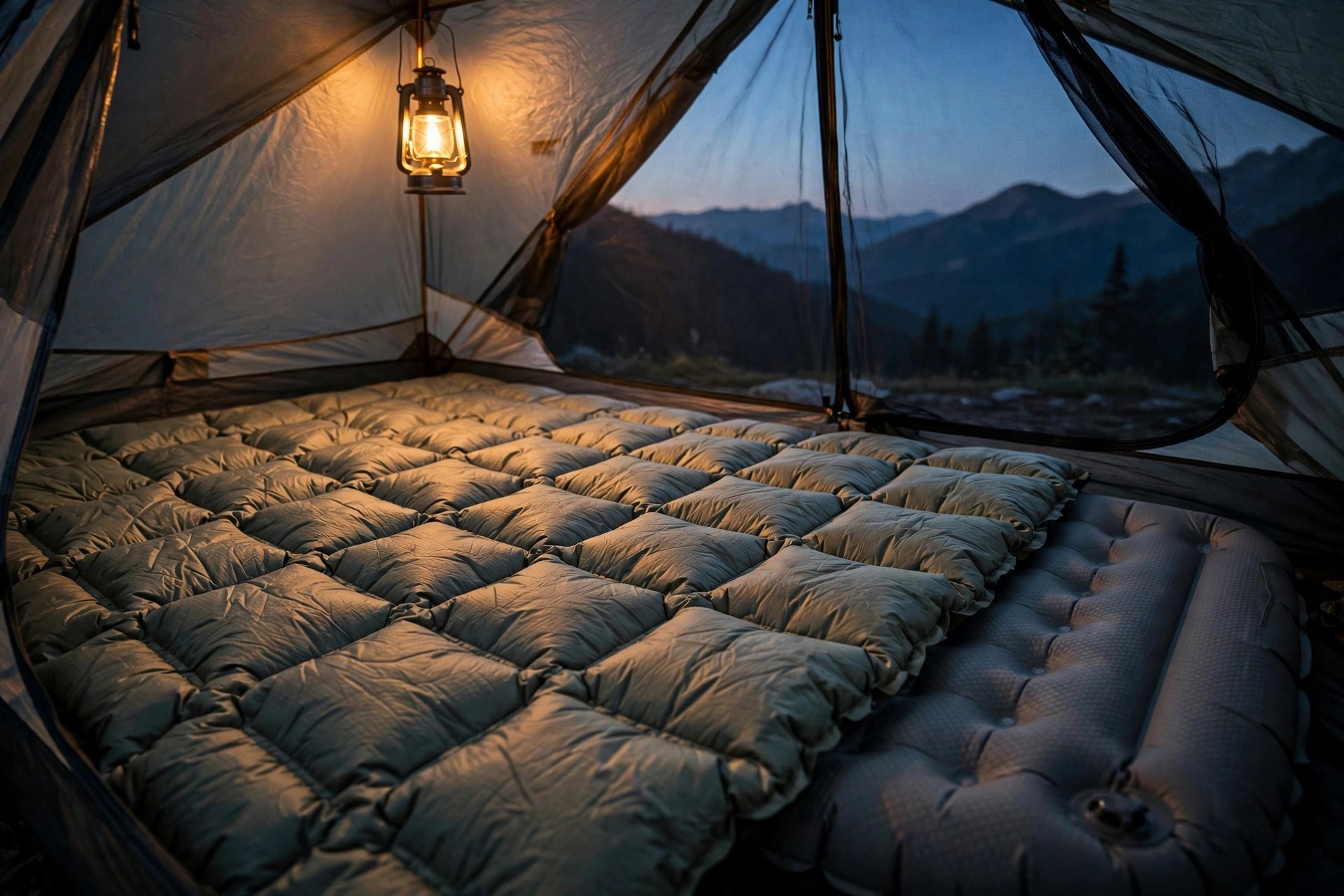
We compared every trail-proven backpacking quilt verifiable under $200 in October 2026, and the Hammock Gear Economy Burrow 20 wins — $170, 800-fill-power treated down, 22 oz, and a 20°F rating that honest reviewers call conservative. The Paria Thermodown 30 ($190, fully featured, ships in days not weeks) is the pick if you hate lead times, the Big Agnes Kings Canyon UL ($150, 15 oz of PrimaLoft Silver) is the best synthetic summer option, and the Aegismax Wind Hard Quilt ($70) is the real budget gateway.
Disclosure: Trail Tested is reader-supported. When you buy through links on this page, we may earn a commission at no extra cost to you. Learn more. All picks are compiled picks — see how we rate gear.
On this page
- Why switch from a sleeping bag to a quilt?
- The 4 best backpacking quilts under $200
- Comparison table
- How we picked
- Tested and dismissed
- FAQ
Why switch from a sleeping bag to a quilt?
A quilt is a sleeping bag with the back half removed — the insulation you’d be lying on (and compressing flat, making it useless) is gone. What’s left is the top insulation, a footbox, and pad-attachment straps. The result: 20–40% less weight and much smaller pack size for the same warmth, since a sleeping pad does the bottom work better than crushed down ever could.
The trade: quilts have a learning curve. First-timers often get drafts around the sides and call quilts “cold.” That problem almost always disappears once you use the pad straps and size up if you toss and turn. If you’ve read how to prevent blisters, you know our philosophy — learn the technique and the gear pays for itself.
The 4 best backpacking quilts under $200
1. Hammock Gear Economy Burrow 20 — the best overall
Hammock Gear Economy Burrow 20- Price: ~$170 (standard; from ~$140 for warmer-rated configs)
- Temp rating: 20°F
- Fill: 800FP RDS-certified DWR-treated duck down (DownTek)
- Weight: ~22 oz (measured ~23.8 oz in SectionHiker’s review)
- Shell: 20D nylon with DWR
- Sizes: Short / Standard / Long; 50" or 55" wide
- Notable: Customizable colors, overfill options, zippered or sewn footbox; made in Ohio
Why it’s a compiled pick: This is the quilt that broke the cottage-brand price barrier. Hammock Gear keeps costs down with heavier 20D shell fabrics and simpler construction while keeping premium fill — 800FP DownTek-treated duck down that resists moisture far better than untreated down. Independent reviewers consistently report the 20°F rating is conservative; many owners report comfort a few degrees below it. The ground-wide 55" width is the one to get — the 50" standard is cut for hammocks and feels drafty on the ground. The downside everyone mentions: cottage-brand lead times of 3–5 weeks. If your trip is next weekend, see the Paria below. And restless sleepers should read our pad guide for side sleepers before ordering — the right pad matters as much as the quilt.
2. Paria Thermodown 30 — the best featured (and fastest-shipping) pick
Paria Thermodown 30 Down Quilt at Paria Outdoor Products- Price: $189.99 (regular), $199.99 (long — still under $200)
- Temp rating: 30°F
- Fill: 800FP RDS-certified duck down
- Shell: 20D ripstop nylon with PFC-free DWR
- Notable: Redesigned for 2026 — 15% lighter; split baffle pattern; top and bottom draft collars; quarter-length zipper; full pad-strap system; compression and storage sacks included
Why it’s a compiled pick: Paria fills the gap cottage brands leave: full-featured quilt, genuinely competitive specs, and it ships from a US warehouse in days. The 2026 redesign is meaningful — higher fill power than the old 700FP version, draft collars at both ends (a warmth feature most budget quilts skip), and a pad-attachment system that’s more refined than Hammock Gear’s $3 add-on elastic cords. SectionHiker’s review of the previous generation called it substantially less expensive than premium quilts while being fully featured, and the 2026 version closed the weight gap too. The real tradeoff vs the Burrow 20: you’re getting a 30°F quilt for $20 more, so it’s less warmth per dollar — but you can have it on your porch Friday, not in three weeks.
3. Big Agnes Kings Canyon UL — the best synthetic summer quilt
Big Agnes Kings Canyon UL Quilt- Price: ~$150 (often discounted; one Trailspace reviewer paid $128 at Backcountry)
- Temp rating: 45°F (comfort; treat the number as optimistic — see below)
- Fill: PrimaLoft Silver synthetic
- Weight: ~15 oz
- Notable: Two hand pockets; pad sleeve that doubles as footbox; cinches to a mummy shape; stuff sack + storage sack included
Why it’s a compiled pick: Synthetic insulation does one thing down can’t: it keeps you warm when wet, and the Kings Canyon UL is the lightest way under $200 to get it. At 15 oz it’s lighter than several down quilts at twice the price, and it packs down to nearly nothing. Real-world owner reports (11 nights logged in one Trailspace review) peg honest comfort at roughly 55°F+, with 43°F doable in fleece — so treat this as a true summer quilt for warm nights, not a 3-season piece. For desert trips, humid Appalachian summers, and anyone nervous about down getting damp, it’s the right call. And synthetic means machine-washable, no-fuss maintenance.
4. Aegismax Wind Hard Quilt — the best budget pick
Aegismax Wind Hard Quilt- Price: ~$70
- Temp rating: 32–41°F (manufacturer claim; realistically comfortable to ~40°F)
- Fill: 800FP down (manufacturer claim — independent verification is scarce)
- Notable: Wearable design (arm holes for camp use); stuff sack included; widely available on Amazon and AliExpress
Why it’s a compiled pick: Aegismax is the AliExpress-to-Amazon phenomenon that put a $70 down quilt on the map. The Trailspace owner review found the temperature rating surprisingly honest — the quilt performed roughly as advertised in the 40s, and the construction was solid for the price. Treat the fill-power number skeptically (no independent loft testing exists) and don’t expect support if something goes wrong; that’s the real cost of direct-from-China pricing. As a first quilt to test whether you even like sleeping under one, it’s the cheapest honest experiment in backpacking. If it convinces you, the Burrow 20 is your upgrade path.
Comparison table
| Quilt | Temp rating | Weight | Fill | Price |
|---|---|---|---|---|
| Hammock Gear Economy Burrow 20 | 20°F | ~22 oz | 800FP DownTek duck down | ~$170 |
| Paria Thermodown 30 | 30°F | ~28 oz* | 800FP RDS duck down | $189.99 |
| Big Agnes Kings Canyon UL | 45°F | ~15 oz | PrimaLoft Silver synthetic | ~$150 |
| Aegismax Wind Hard Quilt | 32–41°F | ~19 oz | 800FP down (claimed) | ~$70 |
*Estimated for the redesigned 2026 model; Paria publishes packed size (10×7 in) rather than total weight.
How we picked
We scored every candidate on five criteria, weighted toward what actually matters on trail:
- Temperature-rating honesty. Quilt ratings are notoriously optimistic. We cross-checked manufacturer claims against independent owner reviews on Trailspace, SectionHiker, and thru-hiker forums, and downgraded anything that only slept as warm as the box claimed in ideal conditions.
- Weight for the warmth. A 20°F quilt under 24 oz is the bar; a summer quilt should be under a pound. Anything heavier than a comparable sleeping bag fails the basic premise of going quilt.
- Fill quality and shell durability. Higher fill power packs smaller; 20D shells survive tent life better than 10D. We noted which down is RDS-certified and which claims are unverifiable.
- Pad-attachment and draft control. A quilt’s pad straps are half the product. We favored quilts with real strap systems, draft collars, and neck cinches over bare blankets.
- Real availability. A $170 quilt with a 5-week lead time isn’t a $170 quilt when your trip is Saturday. Paria’s ready-stock model earned points here, and we kept every pick at or under the $200 ceiling as configured — no base-model bait pricing.
Tested and dismissed
- Enlightened Equipment Revelation APEX 30 ($210+). The darling of the synthetic-quilt world and genuinely excellent — but the base build starts over $210, breaking the price ceiling. If your budget flexes, it’s the upgrade pick for wet climates.
- Katabatic Flex 22 ($400+). Arguably the best-built quilt money can buy, with the industry’s most refined pad-attachment system. Double our cap — it’s what the Burrow 20 is 85% of, for 42% of the money.
- Unbranded Amazon “winter down quilts” ($40–60). Every year brings a new batch of fantasy listings claiming 700FP and -10°F ratings with no shell specs, no fill weight, and no company behind them. We can’t recommend warmth gear with no verifiable numbers.
FAQ
Can a quilt really keep me as warm as a sleeping bag at the same temperature rating?
Yes, if your pad does its share. A quilt skips the insulation under your body (compressed down does nothing anyway) and relies on your sleeping pad for ground insulation. Pair a 20°F quilt with a pad rated R-4 or higher and you get mummy-bag warmth at a fraction of the weight and pack size.
What kind of sleeping pad should I use with a backpacking quilt?
Use an insulated air pad rated at least R-4 for 3-season quilts and R-5+ for 20°F quilts. Quilts have no back insulation, so the pad IS your underside warmth. Most cold-sleeper complaints about quilts trace back to a thin summer pad, not the quilt. Check our pad guide for the models that pair best.
Are budget quilts from Paria and Aegismax reliable, or should I save up for a premium brand?
They’re reliable for the price, with different tradeoffs. Paria is a US company with real support and honest ratings; Aegismax is direct-from-China value with less support and inflated fill-power claims. Both get genuine thru-hiker use. Premium cottage quilts win on weight and down quality — a $400 quilt buys ounces, not warmth.
How do I stop cold drafts from sneaking in around the edges of my quilt?
Use the pad-attachment system every time — it straps the quilt to your pad so it can’t slide off. Sleepers who toss should size up to a wide model (55 inches) so edges stay tucked. Cinch the neck drawcord on cold nights, and if you run cold, add a lightweight bivy sack for full draft protection.
Do I need a quilt liner if I am already using a backpacking quilt?
Not usually, but a liner can stretch a warm-weather quilt into shoulder seasons by adding roughly 5–15°F of warmth. It’s the cheapest way to extend the range of the summer quilts below without buying a second quilt. See our liner comparison for the merino, silk and Thermolite tradeoffs.
More sleep-system reading
- Sleep System hub — every sleep-related guide in one place
- Merino vs Silk vs Thermolite Sleeping Bag Liners (2026) — add 5–15°F to any quilt cheaply
- Best Sleeping Pads for Side Sleepers — the pad is half your quilt’s warmth
- Down vs Synthetic Sleeping Bags — the insulation debate behind every pick above
Heads up: some links on this page are affiliate links — if you buy through them we may earn a commission at no extra cost to you. Learn more.
Frequently asked questions
Can a quilt really keep me as warm as a sleeping bag at the same temperature rating?
Yes, if your pad does its share. A quilt skips the insulation under your body (compressed down does nothing anyway) and relies on your sleeping pad for ground insulation. Pair a 20°F quilt with a pad rated R-4 or higher and you get mummy-bag warmth at a fraction of the weight and pack size.
What kind of sleeping pad should I use with a backpacking quilt?
Use an insulated air pad rated at least R-4 for 3-season quilts and R-5+ for 20°F quilts. Quilts have no back insulation, so the pad IS your underside warmth. Most cold-sleeper complaints about quilts trace back to a thin summer pad, not the quilt. Check our pad guide for the models that pair best.
Are budget quilts from Paria and Aegismax reliable, or should I save up for a premium brand?
They’re reliable for the price, with different tradeoffs. Paria is a US company with real support and honest ratings; Aegismax is direct-from-China value with less support and inflated fill-power claims. Both get genuine thru-hiker use. Premium cottage quilts win on weight and down quality — a $400 quilt buys ounces, not warmth.
How do I stop cold drafts from sneaking in around the edges of my quilt?
Use the pad-attachment system every time — it straps the quilt to your pad so it can’t slide off. Sleepers who toss should size up to a wide model (55 inches) so edges stay tucked. Cinch the neck drawcord on cold nights, and if you run cold, add a lightweight bivy sack for full draft protection.
Do I need a quilt liner if I am already using a backpacking quilt?
Not usually, but a liner can stretch a warm-weather quilt into shoulder seasons by adding roughly 5–15°F of warmth. It’s the cheapest way to extend the range of the summer quilts below without buying a second quilt. See our liner comparison for the merino, silk and Thermolite tradeoffs.